You clean your shower glass, it looks crystal clear, and within a few days the water spots are back.
If this sounds familiar, you’re not alone. Water spots are one of the most common complaints homeowners have about shower glass. While regular cleaning can temporarily improve the appearance of the glass, understanding what causes water spots is the first step toward preventing them.
Water spots occur when water evaporates and leaves behind minerals on the glass surface.
Many homes receive water that contains naturally occurring minerals such as:
When shower water dries, these minerals remain on the surface and gradually build up over time. The more frequently water sits on the glass, the faster mineral deposits can accumulate.
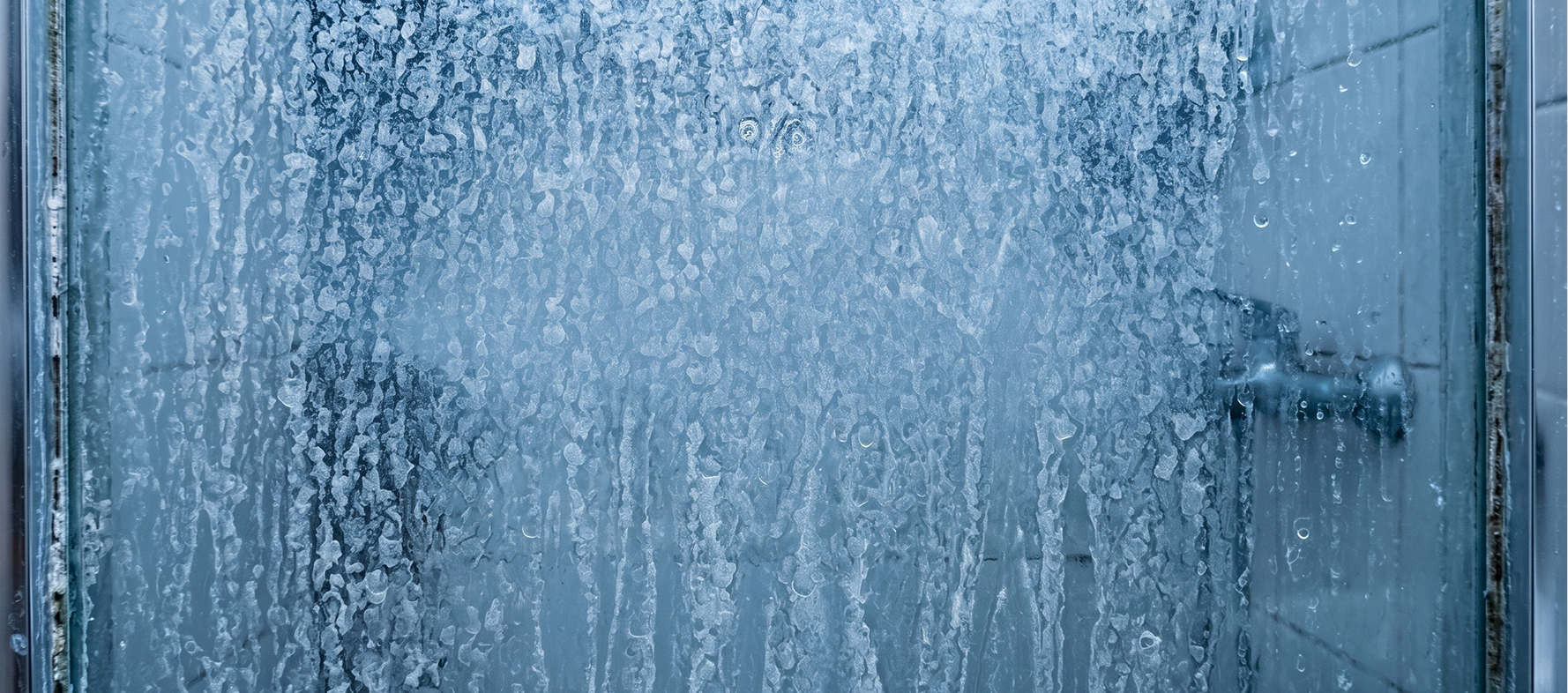
Fresh water spots are usually easy to clean. However, repeated exposure allows mineral deposits to bond to the glass surface. Over time, these deposits can become increasingly difficult to remove using standard household cleaners.
As buildup continues, shower glass may begin to appear:
In severe cases, mineral deposits can contribute to glass etching, creating surface damage that cannot be removed through cleaning alone.
Water spots aren’t the only culprit. Soap, shampoo, body wash, and cleaning products can leave behind residue that combines with mineral deposits. This creates a stubborn layer commonly known as soap scum.
The combination of soap scum and hard water buildup can make shower glass appear dirty even shortly after cleaning.
Several factors can accelerate water spot formation:
1. Hard Water
Homes with higher mineral content in their water supply often experience more severe spotting.
2. Frequent Shower Use
The more often glass is exposed to water, the faster buildup occurs.
3. Poor Ventilation
Bathrooms that retain moisture for long periods allow minerals and residue to remain on surfaces longer.
4. Unprotected Glass
Glass surfaces without protection allow minerals, oils, and residue to bond directly to the surface.
Many homeowners try DIY solutions before considering professional glass protection. Some of the most common methods include:
1. White Vinegar
Vinegar is often used to dissolve mineral deposits and light water spots. While it can be effective for removing existing buildup, it does not prevent new spots from forming.
2. Rain-X
Originally designed for automotive windshields, Rain-X can help water bead and roll off glass. However, it typically requires frequent reapplication and may lose effectiveness over time.
3. Squeegees
Using a squeegee after every shower is one of the most effective ways to reduce water spots. By removing water before it evaporates, fewer minerals are left behind on the glass.
4. Water Softeners
For homes with hard water, installing a water softener can help reduce mineral content throughout the property. While beneficial, it can be a significant investment and does not protect existing glass from future residue and soap scum buildup.
While these methods can help reduce water spots, most require ongoing maintenance and repeated application. In many cases, the problem returns once the treatment wears off or regular upkeep is missed.
Professional glass protection offers a longer-lasting solution by creating a protective barrier that helps reduce the ability of minerals, soap scum, and residue to bond directly to the surface. This makes glass easier to clean and helps maintain clarity for longer.
Protected glass can help:
For busy households, this means spending less time scrubbing and more time enjoying a cleaner bathroom.